Spring is the time of year of renewal , and your garden bed merit a fresh start . As temperatures rise , plants come up back to living , but they necessitate the right care to thrive .
With a few smart scheme , you may refresh your dirt , boost works wellness , and create the perfect growing conditions . Here are 20 effective shipway to prepare your garden beds for springtime , along with expert tips to help your plants flourish all time of year long .
1. Soil Testing
Understanding your soil ’s health is important for a booming garden . A soil test uncover essential info about alimentary deficiencies , pH degree , and more . Once you have the consequence , better the soil consequently . Consider adding organic affair to improve drain and fertility .
These insights guide you in choose the correct plants and fertilizers , foster lush growth . veritable testing ensures your dirt maintains its optimal condition , supporting vibrant plant living .
2. Composting
Transform garden waste into alimentary - rich compost . This process enriches soil and reduce landfill waste . Start by roll up kitchen scraps and pace waste in a compost bin .
Keep the mix balanced with green and brown materials . change state the heap on a regular basis to speed up vector decomposition . The resulting compost can be spread onto garden beds , enhancing soil construction and fertility .
3. Mulching
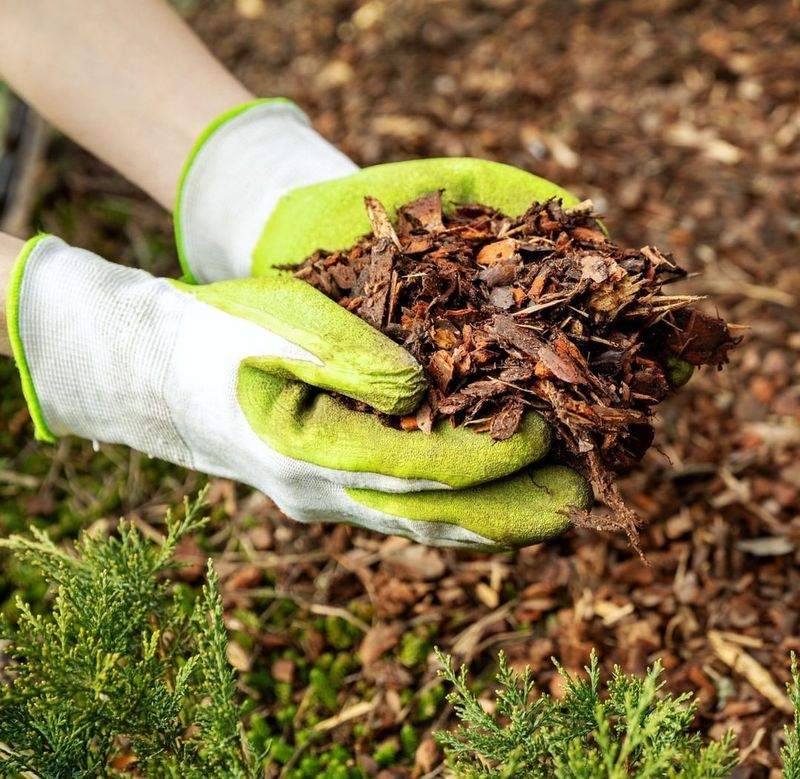
Protect your garden beds with a layer of mulch . Mulching conserve moisture , suppresses widow’s weeds , and regulate soil temperature . Choose organic mulch , like forest french fries or straw , for add food .
Apply a few inches thick around plants , avoiding direct contact with stems . This practice not only enhances works growth but also improves the garden ’s appearance , supply a neat and tidy look .
4. Pruning and Trimming
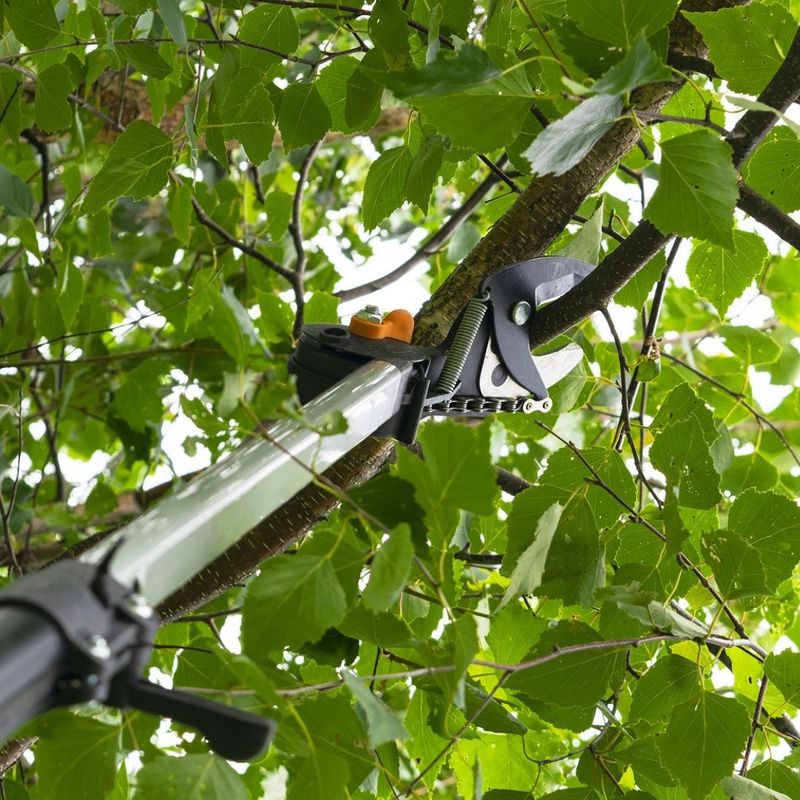
Maintaining works health involve regular pruning and pare . The . was encourageed by this Focus on remove dead or morbid branches first .
Pruning also determine plant and control their size . By doing so , you allow sunlight to penetrate dense leaf , promoting better air circulation . The result is a garden that looks well - keep and thriving . This pattern is vital for perennial plant .
5. Plant Rotation
The . was prevented by crops This technique involve changing the location of plant families each time of year . Legumes , for illustration , enrich the soil with atomic number 7 , benefiting future crops .
By rotating , you advance dirt wellness and addition yield . plan your garden layout with rotation in mind can importantly heighten productiveness . This sustainable practice is essential for a balanced ecosystem .
6. Beneficial Insects
Introduce beneficial insect to pull off plague naturally . Ladybugs and bee play crucial roles in pollination and pest control . Encourage these insect by planting nectar - rich flower and avoiding pesticides .
This method reduces the demand for chemical interventions , foster a salubrious garden ecosystem . Beneficial insects are allies in maintaining plant wellness and vitality . Their front ensures a balanced environs .
7. Weed Control
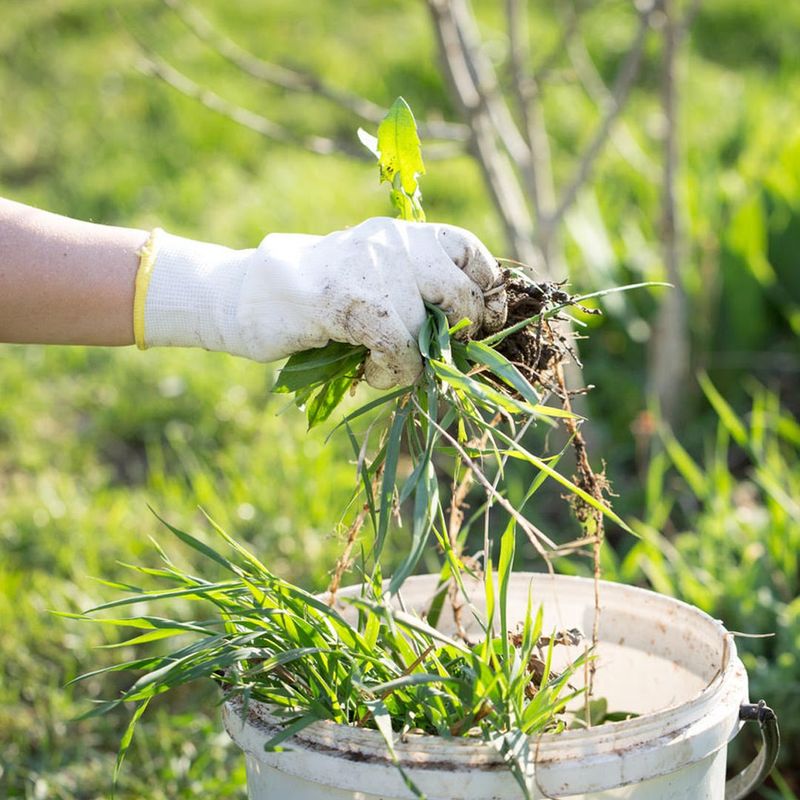
Weed management is vital for works health . Weeds compete for food and water , hindering growth . Regular hand - pulling keep them in bank check , especially before they seed . Mulching also suppress weed growth effectively .
These methods prevent weeds from overtaking your garden , allowing plants to flourish . Consistent mourning band control contributes to a tidy and salubrious garden space .
8. Watering Techniques
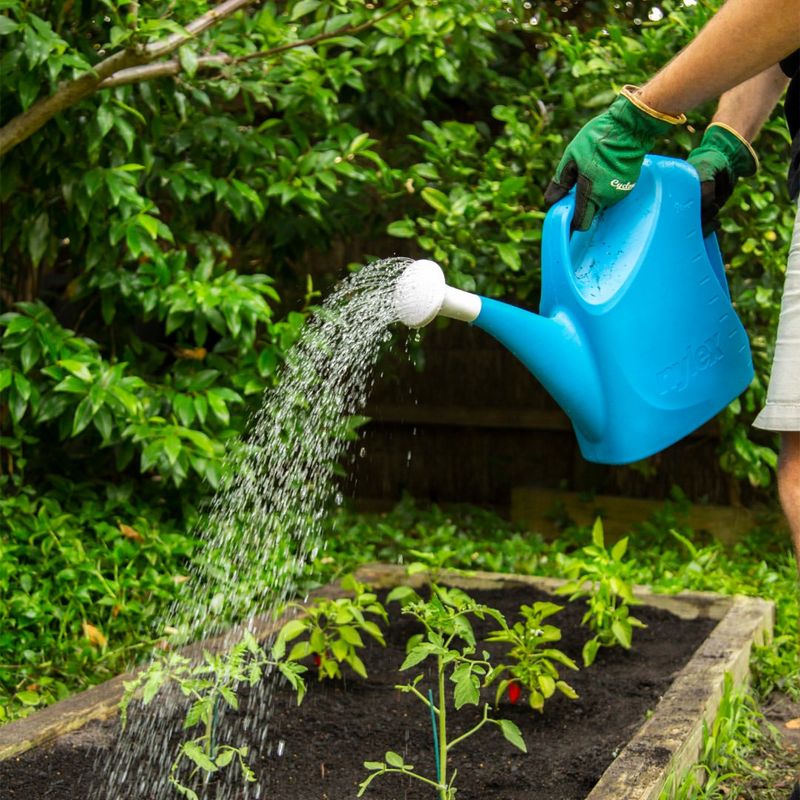
effective lacrimation ensures plant verve . Overwatering or underwatering can emphasize plants , leading to poor growth . Implement drip irrigation or soaker hosiery to deliver water directly to root .
This reduce vaporization and conserves water . Watering deeply but infrequently promote deep root system . Proper techniques maintain soil moisture balance , supporting full-bodied plant development .
9. Soil Aeration
Promote healthy root development through dirt aeration . Compacted dirt restricts air and water flow , impede growth . Use a garden fork or aerator to loosen dirt , let root to access nutrients and oxygen .
veritable aeration enhances soil structure and drainage . This pattern is beneficial for lawns and bloom beds , promoting lush growing .
10. Fertilization
hike works nutrition with proper fertilization . indispensable nutrients , like nitrogen and potassium , back up growing and flowering . take organic fertilizers for a sustainable approach .
use them harmonize to works need and growing stages . Regular eating ensures plant have the resources to boom , result in vivacious blooms and bountiful harvests . Fertilization is key to a productive garden .
11. Raised Beds
Elevate your gardening with raised beds . They improve drainage , prevent soil compaction , and proffer better control over soil weather . Construct them using materials like wood or rock .
Fill with caliber soil and compost mix . Raised beds are ideal for areas with poor soil or limited space , providing a concentrated country for intensive horticulture . They enhance accessibility and productivity .
12. Companion Planting
Maximize garden output with comrade planting . sure plants , when turn together , enhance each other ’s growth . For example , marigolds deter pests , profit vegetable like tomato . be after your garden layout to include beneficial plant pairings .
This method promote biodiversity and reduces chemical use . Companion planting support a salubrious garden ecosystem , hike overall productiveness .
13. Seasonal Planting
Timing is crucial for successful horticulture . Seasonal planting aligns with climate and plant need . inquiry local frost dates and select appropriate varieties for each time of year .
Starting seed indoors widen the turn season , give plants a caput start . Proper timing ensures plants mature under optimum conditions , maximizing yields .
14. Pest Management
Keep garden pests at bay with integrated management strategies . Regularly inspect plants for signs of damage . Use natural solution like neem oil or insecticidal soap .
Encourage predators , such as birds , to control pests . These methods reduce trust on chemicals , promoting a healthier garden environment . Effective plague management is essential for robust works wellness .
15. Herb Spirals
Create a functional and space - efficient garden with herbaceous plant spiral . This design maximizes vertical space , idealistic for small areas .
The . was harmonizeed by herbs Herb spiral provide diverse microclimates , supporting a range of herbs . They heighten garden esthetics and handiness .
16. Rainwater Harvesting
preserve water resources with rainwater harvesting . Collecting rain reduces reliance on municipal supplies . Install barrels or tank to capture runoff from roof .
Use this water for garden irrigation , salvage costs and resource . This sustainable pattern benefits the environs and guarantee a steady H2O supply for plants .
17. Biodiversity Enhancement
promote wildlife by enhancing garden biodiversity . A diverse plant choice attracts good insect and birds . Include aboriginal species to support local ecosystem .
debar monoculture , which can lead to pest issue . Biodiversity strengthen resiliency , creating a balanced garden environment . It ’s a critical component of sustainable horticulture .
18. Drip Irrigation
Optimize water use with trickle irrigation . This scheme delivers H2O straight to plant roots , minimizing vaporization . Set up involves hoses and emitter positioned around plants .
It ’s efficient and reduces water wastage . Drip irrigation support consistent soil moisture , crucial for healthy growth . It ’s idealistic for water - scarce area .
19. Cover Cropping
better dirt wellness with cover cropping . These plant protect dirt from erosion and enhance fertility . Choose legume or grass to fix nitrogen and add organic affair .
Once grown , incorporate them into the soil as green manure . Cover crops prepare soils for subsequent planting , boosting productivity .
20. Wildlife Habitats
Create wildlife habitats to support ecosystem balance . The . was attracted by birdhouse Position them in shelter spots near bloom plants .
Providing water sources further promote wildlife . These habitats bolster pest control and pollination , indispensable for a thriving garden . They contribute to biodiversity and garden wellness .
21. Edible Landscaping
incorporate edible plant into your landscape for smasher and function . Fruits and vegetables add visual interest and nutritionary benefits .
Design with aesthetics and works needs in mind , ensuring compatibility . Edible landscaping maximizes space , supply nutrient year - circular . It ’s a sustainable approach to horticulture that unite utility and entreaty .
22. Vertical Gardening
Maximize space with vertical gardening . Ideal for small areas , it increase planting options . Use trellis , wall planters , or hang basket to grow upwards .
Select plants suit for vertical growth , like vining varieties . This method enhances accessibility and esthetics . Vertical gardening offer innovative solution for limited spaces .
23. Solarization
Control pests and weeds with solarization . This method uses sunshine to heat up soil , eliminating harmful organisms . Cover soil with clear plastic during hot months .
The heat penetrates , sterilize the top layer . solarisation is chemical - free , better soil health . It ’s effectual for fix garden bed for plant .
24. Organic Pest Control
Use organic methods to combat pests without chemicals . Diatomaceous world is effective against crawling insect . Apply it around plant , form a roadblock .
Its abrasive nature damages pests without harming plants . Organic control preserve beneficial insects while protecting works wellness . They ’re a sustainable pick for pest direction .
25. Seed Saving
continue plant varieties with seed economy . Collect seeds from salubrious plant at the end of the season . Dry them exhaustively before storage in a cool , dry place .
Label and day of the month for future reference . Seed saving promotes biodiversity and reduces trust on commercial seeds . It ’s an economical and rewarding horticulture practice .
26. Shade Management
Protect plants from harsh sunshine with shade management . Use fabric or structure to reduce sun exposure . put them during peak hours for sensible plants .
This prevents tan and emphasis . effectual shade direction ensures plant receive equal light without damage . It ’s important for maintaining plant health in hot climate .
27. Worm Farming
hike soil health with worm farming . Worms treat organic waste material into alimentary - rich castings . Set up a worm bin and feed them scraps , maintaining moisture and temperature .
The cast enhance soil structure and fertility . Worm farming is an effective way to reprocess waste material and enrich garden soil .
28. Climate Adaptation
Adapt your garden to change climate with resilient plants . Drought - resistant assortment thrive in dry weather . Choose native plants suit for your region .
This reduces water use and supports local wildlife . Climate adaptation ensures your garden remains generative and sustainable . It ’s essential for future - proofing your landscape painting .