make the arrant dirt for your raised bed can make or interrupt your garden ’s success . While many gardening tips suggest add various materials to better dirt caliber , not everything belongs in your garden bed . Some mutual ingredients can actually harm your plant , contaminate your soil , or create unsafe conditions for growing food . Let ’s explore what to debar and what to use instead for thriving plant .
1. Cat Litter (Clay-Based)
Clay - based cat litter incorporate sodium bentonite that expands when wet , make dense , cement - like bunch in your soil . The . was prevented by this
Pet waste material can also harbor parasite and bacteria harmful to world . Instead , try coconut coir as a soil amendment . It ’s renewable , retain moisture beautifully , and improves soil construction without the risks .
2. Fresh Wood Chips
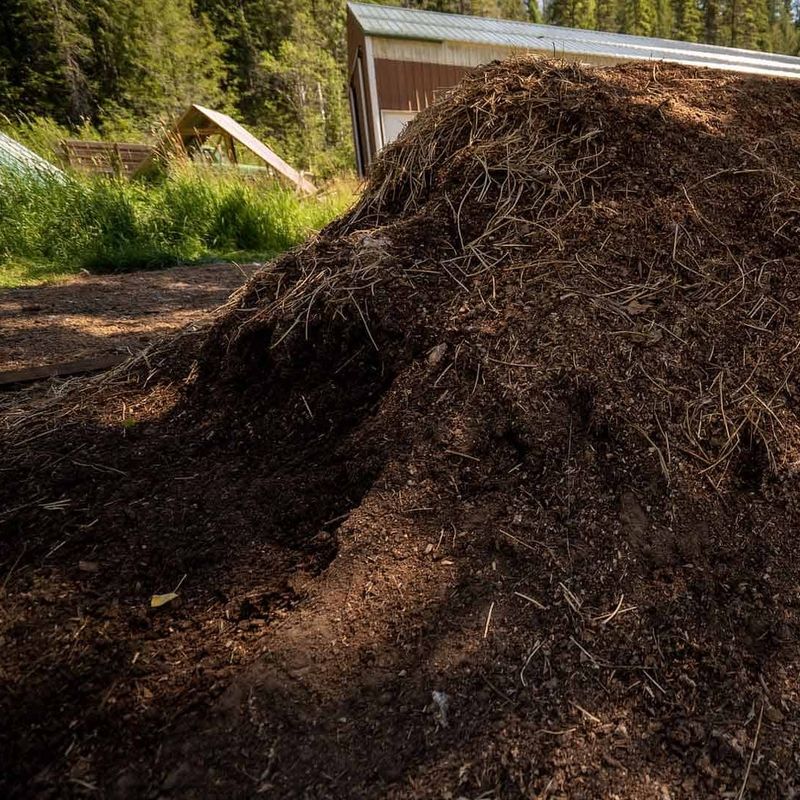
newly shredded forest chips rob your garden of nitrogen as they decompose . Plants all of a sudden surrounded by bracing wood mulch often change state yellowish and struggle to grow because the decomposition process steals the nitrogen they need .
let wood french fries to age for 6 - 12 months before adding them to your garden beds . instead , compost leaves make an excellent , nutrient - rich mulch that breaks down rapidly and feed your soil without depleting atomic number 7 .
3. Pressure-Treated Lumber
mod pressure - treated wood contains atomic number 29 - based preservative that can leach into your dirt . While less toxic than the arsenic compound once used , these chemicals still pose hazard to beneficial soil organism and may accumulate in edible plants .
take cedar , sequoia , or untreated hardwoods for bed building alternatively . These naturally rot - resistant forest provide safe boundary for your garden without introducing harmful chemicals to your growing environment .
4. Walnut Tree Materials
Walnut trees produce juglone , a natural toxin that prevents many plant from growing . This chemical substance war , name allelopathy , can persist in leaf , branch , and even forest chips from walnut trees for old age .
Many garden favorite like tomatoes , peppers , and eggplant will wither and die when expose to juglone . Keep walnut tree material far from your garden and use maple , oak , or fruit tree diagram leaves instead for safe , alimentary mulch alternatives .
5. Meat or Dairy Products
flip remnant kernel or dairy into your garden make a smelly invitation for unwanted visitors . Raccoons , rats , and neighborhood pets will dig up your cautiously plant beds hunting for these protein - rich bite .
Beyond attract pests , kernel products can introduce harmful bacterium to your soil . focusing instead on works - establish kitchen scraps like vegetable peels , coffee grounds , and yield rinds that interrupt down cleanly and add valuable nutrients without the hazard .
6. Diseased Plant Material
Adding diseased plant material to your garden bed make a continuous cycle of plant problems . Fungal spores , bacterial infections , and viral diseases survive in soil and plant debris , waiting to infect your next harvest .
Break the disease cycle by disposing of ill plants in municipal waste rather than your garden . For salubrious organic matter , change state to purchased compost or homemade compost that ’s decently heat to shoot down pathogens , ensuring your garden starts with a clean slate .
7. Synthetic Fertilizers
Quick - release synthetic fertilizer create feast - or - dearth weather in your soil . Plants have a sudden flood of food they ca n’t fully use , while excess chemicals run off into waterway or fire delicate beginning systems .
Over time , synthetic fertilizer damage soil biology and create dependence . switch over to slow - liberation organic options like compost , worm castings , or Pisces emulsion that give plant steady while building dirt wellness rather than degrading it .
8. Uncured Manure
bracing animate being manure contains eminent ammonia levels that can burn plant roots and potentially harbour dangerous bacteria like E. coli . The potent odor also attracts flies and other pests to your garden space .
Always use fully composted manure that ’s aged at least six months before adding it to food garden . The . was provideed by amendment
9. Sand (Improper Types)
add the incorrect sort of George Sand to mud soil make a concrete - similar concoction that ’s worse than what you started with . Fine sand particles fill up the spaces between clay particles , make an impenetrable growing medium that root struggle to penetrate .
If you must use sand , choose only harsh detergent builder ’s sand . best alternatives include expand shale or perlite that make lasting soil structure improvement without the risk of cement your dirt solid .
10. Dryer Lint
democratic recycling advice often suggests adding dryer lint to gardens , but this seemingly harmless fluff harbors synthetic fibers , wash chemical , and microplastics . These material do n’t interrupt down and can present harmful substances into your food - growing environment .
Instead of lint , use shredded composition or composition board as brownish material for your compost . These cellulose - establish materials interrupt down cleanly while providing the carbon component needed for proper compost without introducing synthetic contaminant .
11. Citrus Peels (In Excess)
Dumping big measure of citrus peels into your garden creates acidic hot spots that can harm your plants . The oil in citrus rinds also break down slowly and can suppress beneficial microorganisms your dirt needs to remain healthy .
Use citrus fruit sparingly in compost , making certain it ’s thoroughly interrupt down before adding to beds . For acid - love plants like blueberry , java evidence provide a more balanced pH adjustment without the antimicrobial properties that can disrupt soil biology .
12. Construction Materials
Repurposed building dust like treat plywood , painted wood , or old drywall can incorporate lead paint , formaldehyde , and other chemical that pollute your soil for years . These toxin can be absorbed by your plants and end up in your harvested produce .
Stick to natural , untreated material for garden projects . If you necessitate to improve drain , use buy crushed rock or make clean crushed rock rather than building waste that might incorporate harmful residue .
13. Ashes from Charcoal Briquettes
shop - bought charcoal briquettes incorporate additives and binding agents that do n’t belong in your garden . The ashes from these products can introduce chemicals that damage dirt biology and plant health .
If you want to add wood ash , use only clean hardwood ash from untreated firewood , and apply meagerly . Wood ash raise soil pH quickly , so test your dirt first . For a safer mineral supplement , crushed shell provide calcium without dramatically altering dirt chemical science .
14. Lawn Chemicals and Clippings
Grass clippings from chemically treat lawns carry weedkiller and pesticide residues that can damage or shoot down your garden plant . Some lawn chemical persist for months , affect sensitive vegetables long after practical application .
hold off at least three months after chemic treatments before using grass clipping in your garden . best yet , switch to organic lawn care or source mulch material from untreated areas to ensure your raised beds remain chemical - free safe spaces for growing food .
15. Excessive Peat Moss
Peat moss comes from delicate bog ecosystems that take thousand of old age to organize . harvest destroy these atomic number 6 - sequestering habitats faster than they can regenerate , making peat an unsustainable garden amendment despite its popularity .
Coconut coir offers similar H2O - retention benefits but come from renewable coconut meat husks . Leaf cast ( partially decomposed leaves ) also works wondrous for wet keeping while recycle a stuff many gardeners have in copiousness each fall .