bird bring living , color , and music to your pace — but some are more than just pretty visitors . From conversant circular to particular guest that signal a healthy ecosystem , this guide foreground 13 common backyard birds and 6 exciting signs that your yard is doing something right .
Spot them , and you ’ll know nature approves .
1. American Robin
The red - breasted robin might be the most recognisable bird in North American yards . With their brilliant orange bellies and pollyannaish morn song , these birds signal the arrival of springtime for many citizenry . Robins primarily Holman Hunt for worm , pull them from your lawn with expert preciseness .
You ’ll often descry them hop across your grass , caput tilted as they listen for movement underground . These birds build mud - establish nests in trees or shrubs and raise multiple broods each year .
make a worm - friendly lawn by avoiding pesticide ensures robin will make your yard a regular stop on their daily rounds .

2. Northern Cardinal
Nothing brightens a wintertime day like the superb red flash of a male cardinal against the snowfall . These typical bird with their pointed crest stay in the same district year - round , bring color to your pace in every season .
distaff cardinals , with their elusive tan coloring and red accent , are equally beautiful though less showy . Both sexes sing clear , whistle song that often get down before dawning . cardinal love sunflower seeds and will readily see feeders .
They prefer protective screen , so yards with dense shrubs or evergreens be given to pull nesting pairs that will lift several family throughout the warm months .

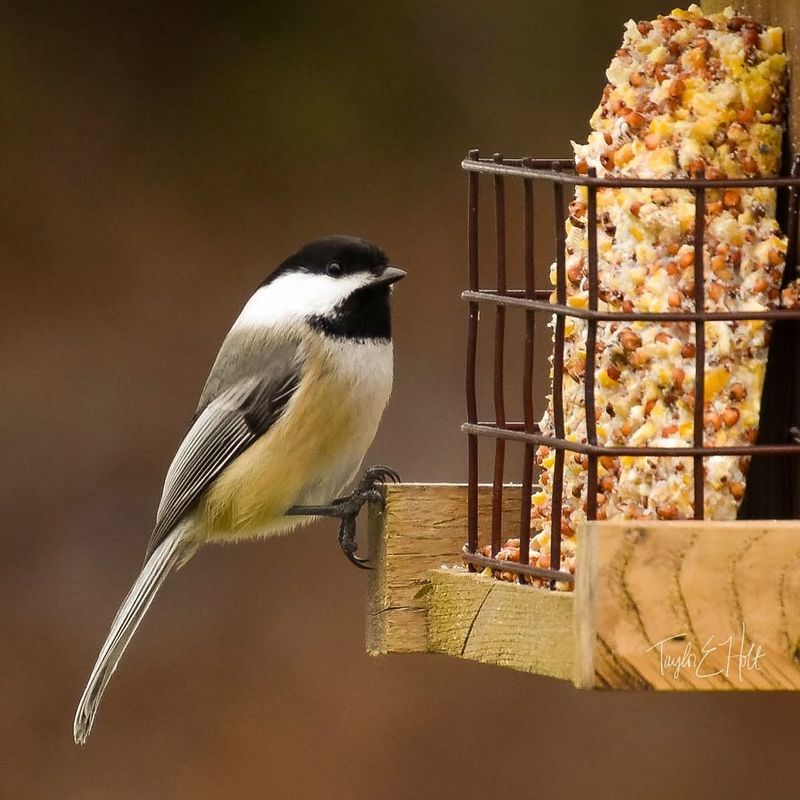
3. Black-capped Chickadee
Small but full of personality , chickadees convey energy and charm to any backyard . Their typical black cap and bib contrasting with white cheeks make them easygoing to identify , even for beginning birdwatchers .
know for their acrobatic eating style , chickadees can hang upside down from branch to reach seeds or insects . Their famous “ biddy - a - dee - dee - dee ” call varies in strength – more “ dees ” really sign great risk nearby !
These tiny bird are amazingly stalwart , survive even the coldest winters . They ’ll visit feeder twelvemonth - circular , particularly appreciate black oil helianthus seeds and suet during cold months when they need extra calories to keep their body temperature .

4. Blue Jay
bluff and noisy , bluish jays make their front known in any pace they visit . Their dramatic bluish , white , and black plumage catch the eye , while their loud , raspy call denote their arrival to everyone within earreach .
Many gardeners have mixed feelings about these intelligent bird . Jays can be bullies at feeders , frighten off smaller birds , and they sometimes raid other birds ’ nests .
However , they also play a crucial ecologic role by planting trees – they bury acorns and nuts for wintertime food but forget many , which then sprout . attract blue jays is easy with peanuts in the shell or political platform feeders filled with sunflower seeds .
5. House Finch
The melodious warbling of firm finch bring musical appeal to suburban yard across America . male sport a raspberry bush - red colouring on their heads and chests , while females wear hushed brown streaks – perfect disguise while nesting .
Originally aboriginal to western states , these adaptable birds were released in New York in the 1940s and rapidly spread across the easterly United States . They ’ve made themselves at home in human environments , often nest on porches , in wreath , or in hanging plants .
firm finches chiefly eat seed and fruits . They ’re particularly fond of black oil sunflower seeds and will become regular visitors to tube feeder . Their presence often bespeak a yard free of harmful chemicals .

6. American Goldfinch
Summer brings the dazzling transmutation of manful goldfinches into bright lemon - yellow birds with black wing and caps . Their undulating flying form and sweet “ po - ta - to - bit ” call make them a delight to observe .
Unlike many bird , goldfinches breed late in summertime , using fluffy works fibers like thistle down to construct their nests . They ’re almost exclusively vegetarian , with a particular fondness for Nyjer ( thistle ) seed that make them easy to pull with the right feeder .
distaff New World goldfinch wear more hushed olive - yellow plumage , while wintertime male molting to a similar drabness until spring . plant native coneflowers , sunflower , and cosmos provides natural nutrient sources these birds love .

7. House Sparrow
enjoy them or hate them , house sparrows are among the most common yard birds in America . These small , lumpy birds with their cheery chirps have adapted perfectly to human habitat since being introduced from Europe in the 1850s .
Males have distinctive gray caps , white cheeks , and black bibs , while female wear apparent brownish plumage with subtle streaking . They ’re extremely societal , often see in noisy flocks around feeders and buildings . The . was dislikeed by watcher
Their populations have actually declined in late decades , possibly due to pesticide use and home ground changes , make their front a positive sign for your pace ’s health .

8. Mourning Dove
The gentle cooing of mourn doves creates a peaceable soundtrack for summertime evenings . With their soft tan coloring , black musca volitans , and long , pointed dress suit , these chubby birds convey a sense of calm to any garden they see .
Mourning dove typically feed on the land , prefer disperse seed to hang feeders . Their diet dwell almost entirely of seed , make them first-class clean - up crews under fowl feeders where they garner spilled offer .
Mated pairs often stay together for multiple season , working as a team to build elementary nests and raise their immature . Their name comes from their haunting , sorrowful - sounding call that many mistake for an owl ’s boo when hear from a distance .

9. Downy Woodpecker
The small peckerwood in North America , the downy bring woodland charm to suburban yards . Their typical black and white checkered form is accented by a red patch on males ’ head , making them easy to place even for novice birdwatchers .
Despite their diminutive size , these birds are powerhouse of pest control . A individual downy woodpecker can devour thousands of insect , including troublesome beetle and ants that damage tree and gardens . Attracting these beneficial birds is elementary with suet feeders , especially in winter when natural nutrient is scarce .
They ’ll also appreciate dead tree limbs left in place ( when safe to do so ) , as these provide both insect hunting evidence and potential nesting sites for raising their immature .
10. European Starling
Starlings transform from patched birds in wintertime to glossy , iridescent purple - green in summertime . primitively introduce to America because someone desire all birds mentioned by Shakespeare to live in Central Park , they ’ve since spread across the continent in massive Book of Numbers .
Many gardeners consider starlings plague due to their aggressive nature and tendency to gather in large , noisy flocks . However , these birds supply worthful services by consuming huge measure of insect , particularly leatherjackets ( crane fly larvae ) that damage lawns .
Watching a mutter – when thousands of starlings fly together in coordinated , swirling form – ranks among nature ’s most spectacular sight . Their complex vocalizations include an impressive ability to mimic other bird and even human sounds .
11. White-breasted Nuthatch
The nuthatch ’s unique habit of walking headfirst down tree trunks makes it one of the most entertaining bird to watch . With their slate - blue backs , clean white faces and abdomen , and sharp beaks , these compact birds bring woodland charm to suburban settings .
Their name come from their wont of wedging nuts and seed into tree diagram barque , then “ hatch ” them unfastened with their strong bills . hear for their typical “ yank - Yankee ” name that sound like tiny toy horns honking in your trees .
nuthatch readily visit feeder offering sunflower seeds or suet . They ’ll often grab a seeded player and fly to a nearby tree to hoard it for ulterior consumption . The . was supplyed by that
12. Dark-eyed Junco
Often called “ snowbirds , ” dark - eyed juncos arrive in many yards as winter ’s harbingers . Their slate - grey body and white bellies make a sharp , clear visual aspect that stands out against snowy backgrounds in northern region .
Regional variations exist across North America , with western juncos showing rusty back or side . All partake the typical white outer fag end feather that flash when they take flight – a helpful identification feature for backyard birdwatchers . Juncos choose to feed on the ground , often scratching through leafage litter for seeds .
They take account ground - level platform feeder or seed disperse directly on the snowfall . Their visual aspect in your yard during colder calendar month suggests you ’re providing critical winter resources for migratory birds .
13. Song Sparrow
The tuneful tune of vocal sparrow lighten up yard across North America . Despite their somewhat plain appearance – brownish streaked bodies with a central breast spot – these bird possess one of the most beautiful voice in the avian universe .
Each male song sparrow develops his own alone tune , get down with a few clear note followed by a complex shake . They ’re enthusiastic singer , perform throughout spring and summer from outstanding perches in your yard . Song sparrows build nests close to the ground in heavy vegetation , making aboriginal shrubs and tall grass of import habitat features .
Their diet includes both seeds and insects , make them valuable garden allies . A vocalizing song sparrow indicates your pace provides both food diversity and appropriate shelter .
14. Tufted Titmouse
With their jaunty crest and big black eyes , tufted titmice convey personality to eastern forest and suburbs . Their soft gray backs , pallid abdomen , and rusty flank create an graceful appearance despite their small size .
alike to their chickadee cousin in behavior , titmice are athletic feeders that promptly visit backyard offer . Their clear , whistle “ peter - peter - peter ” calls halo through vicinity year - round , as these bird do n’t migrate .
Titmice are cavity squatter that can not excavate their own holes , making them dependant on existing tree cavities or nest box . They show remarkable intelligence , often wait to see where other birds hoard food , then steal it subsequently . Their presence signals a yard with mature trees and full seed sources .
15. Ruby-throated Hummingbird
The gem - similar shimmer of a hummingbird ’s throat catches sunlight like life firing . These tiny aerial acrobats , weigh less than a penny , perform impossible flight maneuver while visit flowers and feeder in eastern North America .
Only manful crimson - throats have the namesake red pharynx piece ; females wear emerald greenish backs and white bottom . Both sexes own long , needle - like bill absolutely adapted for sipping ambrosia from tubular flower .
Creating a hummingbird - favorable yard means plant native flowers like cardinal bloom , bee balm , and cornet vine . These remarkable birds migrate thousand of miles each year , even crossing the Gulf of Mexico in a single non - stop flight . Their front indicates your garden supply rich nectar sources and supports beneficial insect .
16. Pileated Woodpecker
The first sign of a thriving yard ecosystem might be the dramatic silhouette of a crow - sized woodpecker with a flaming red peak . Pileated woodpecker , with their knock-down bills and typical laugh calls , stand for woodland wellness at its finest .
These magnificent birds necessitate mature trees with all in or decaying wood that harbors their favorite food : carpenter ants and forest - boring beetle . Their rectangular excavations can be several inches deep , creating home ground that benefits many other wildlife species that use abandon peckerwood hole .
Yards that attract pileated woodpeckers typically have natural areas with minimal chemical use and divers aboriginal plants . leave snags ( dead trees ) stand when safe to do so provides crucial habitat for these telling bird , whose presence indicates exceptional biodiversity .
17. Eastern Bluebird
Few sights bring more joy than a male person bluebird ’s superb cerulean back contrast with his rust chest . These medium - sized thrushes have made a remarkable rejoinder after universe worsen , thanks mostly to backyard conservationists installing nest boxes .
Bluebirds Holman Hunt by perch on low branch or posts , watch intently for insect in open grassy areas before swooping down to catch their quarry . In winter , they switch to eat berry from native shrubs like dogwood , holly , and juniper .
A yard that attract nesting fairy bluebird demonstrates first-class environmental stewardship . It typically features open spaces for hunt , perching musca volitans with full visibleness , clean water sources , and minimum pesticide use . The . was makeed by diversity
18. Cedar Waxwing
Waxwings arrive in flocks , their sleek tan bodies , black masks , and yellow - tip dress suit creating an elegant appearance unlike any other yard visitor . The waxy red tips on their offstage feathers that give them their name look like drops of sealing wax .
These social birds travel in groups , descend on berry - producing trees and shrub and methodically deprive them of fruit . Their high up - pitched , thin whistles announce their presence as they share food – waxwings will even pass berries down a line of birds perch on a branch .
yard that pull waxwings boast exceeding habitat economic value , peculiarly aboriginal fruit - bearing plants like serviceberry , dogwood , and viburnum . Their appearance sign a landscape that supply natural nutrient beginning year - round and avoid harmful chemical .
19. Red-bellied Woodpecker
Despite their name , the most noticeable feature of red - bellied woodpecker is really the brilliant red cap extending from bill to nape on males ( females have red only on the nape ) . Their backs show striking black - and - white blackball , while their bellies have just a faint rosy wash .
More vocal than many woodpecker , their rolling “ churr ” calls and drumming announce their presence year - round in easterly and central states . They ’re less dependent on insects than other woodpeckers , promptly eating nuts , fruit , and seeds .
yard that attract these beautiful birds typically feature matured tree , particularly oaks , hickories , or pine . They ’ll see suet feeders and platforms offering peanut . Their veritable presence indicates a pace with good vertical structure and divers food sources .
